
CONTACT
Welcome to consult Providing quality services Tel(whats app):008618747138212 E-mail:bashiker@hotmail.com Wechat:tianshuai91
More contacts2026-02-10
Traditional Pipe Clamps
Common Scaffolding Couplers and Their Applications:
Scaffolding couplers (also known as clamps or fittings) connect tubes in tube-and-coupler scaffolding systems. Here are the primary applications for the listed types:
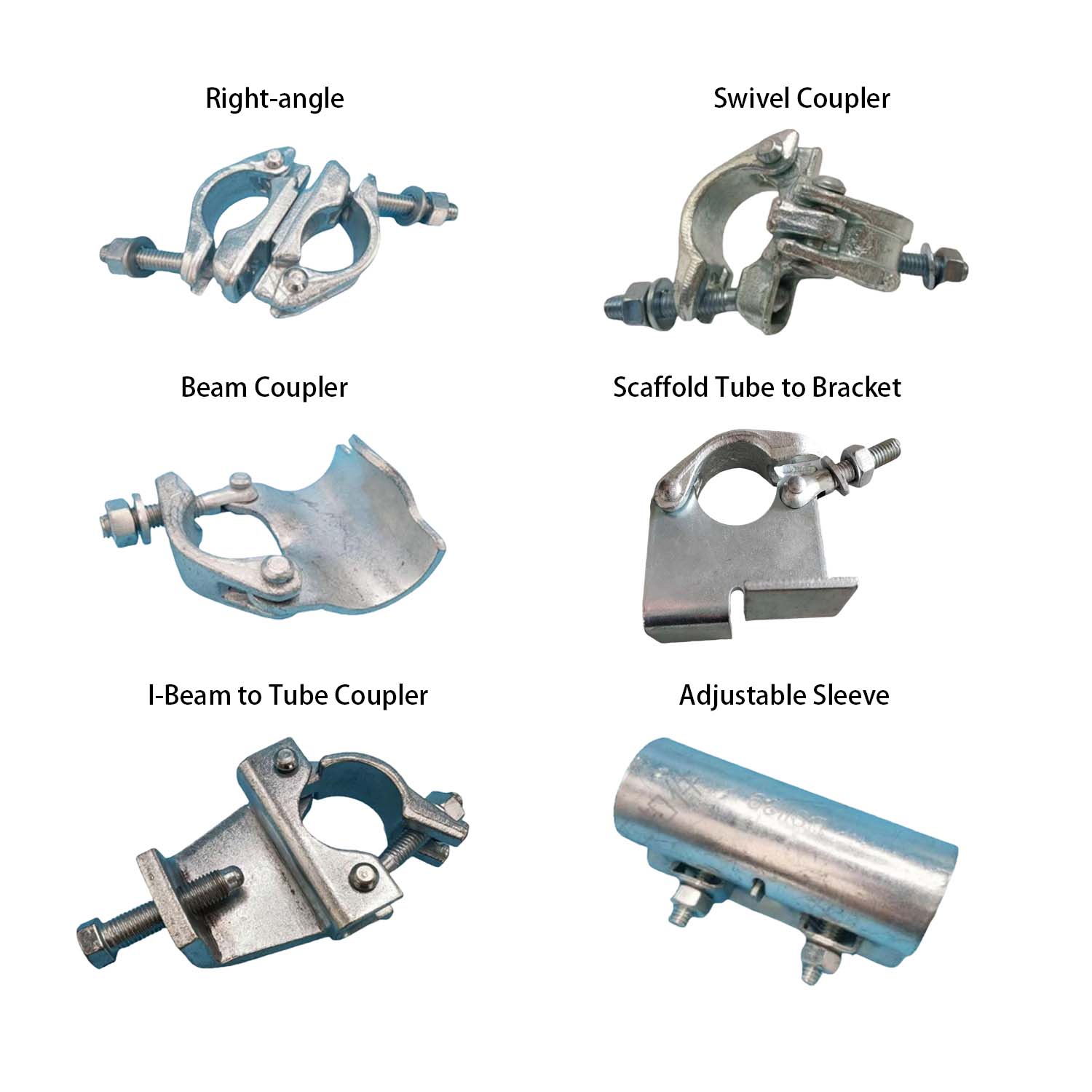
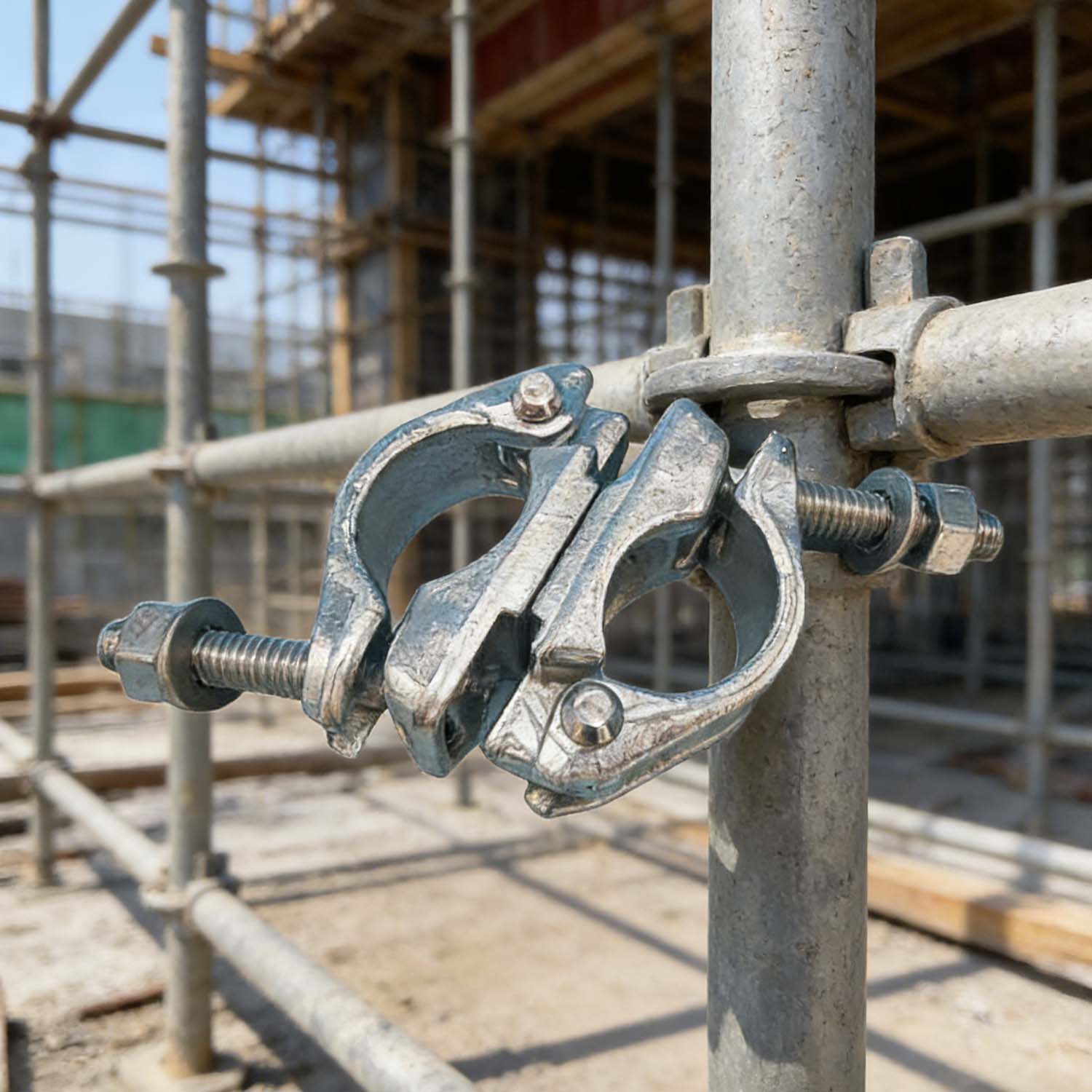
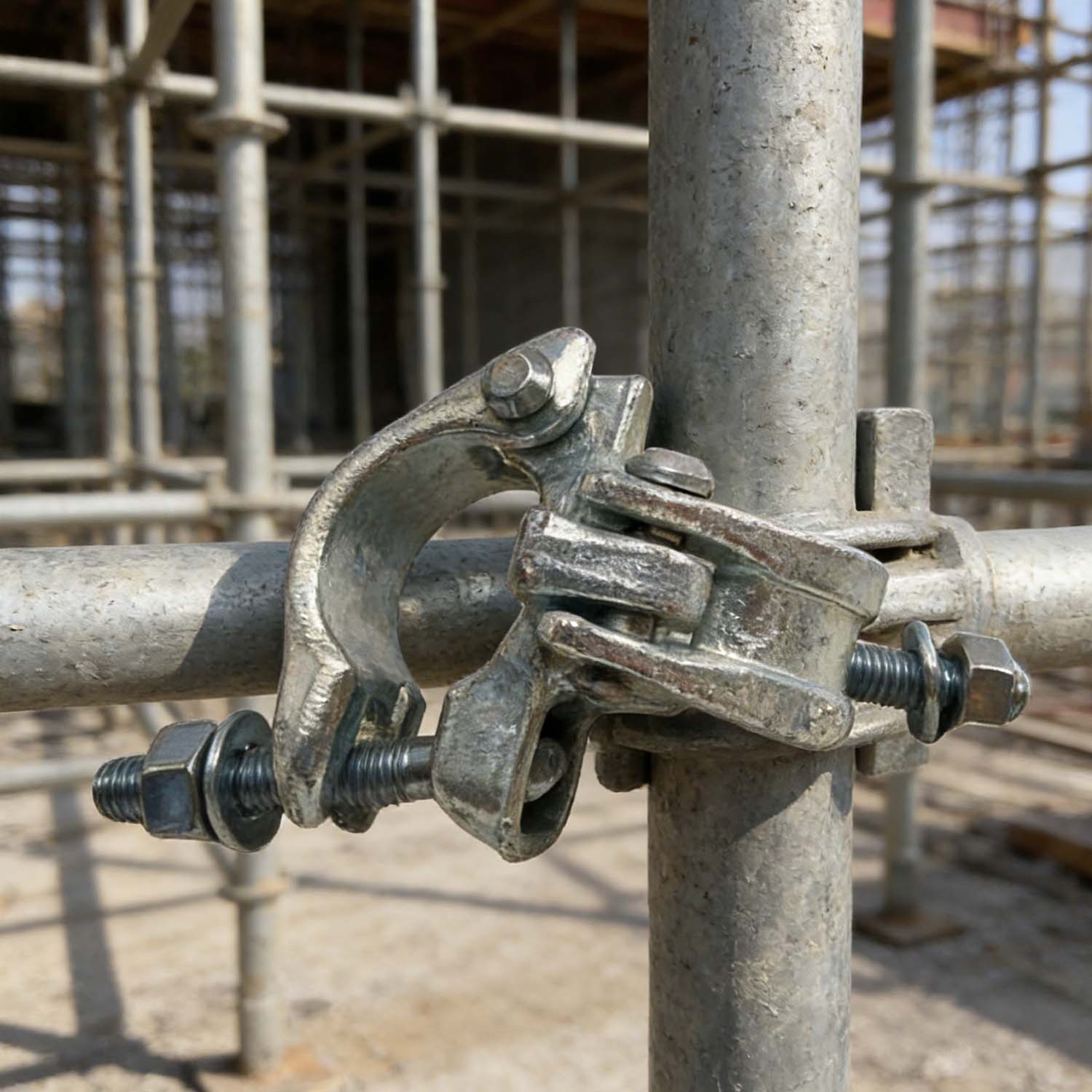
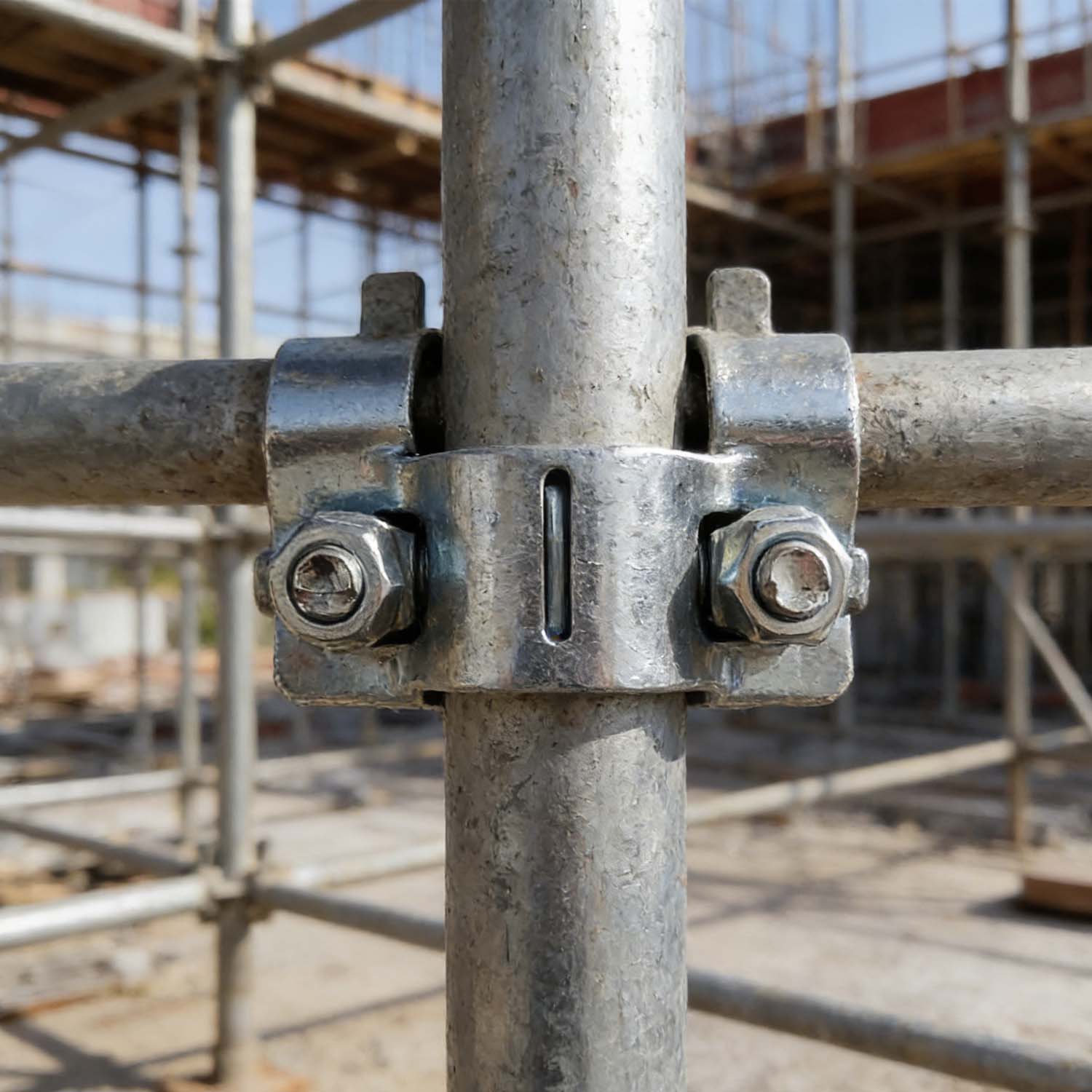
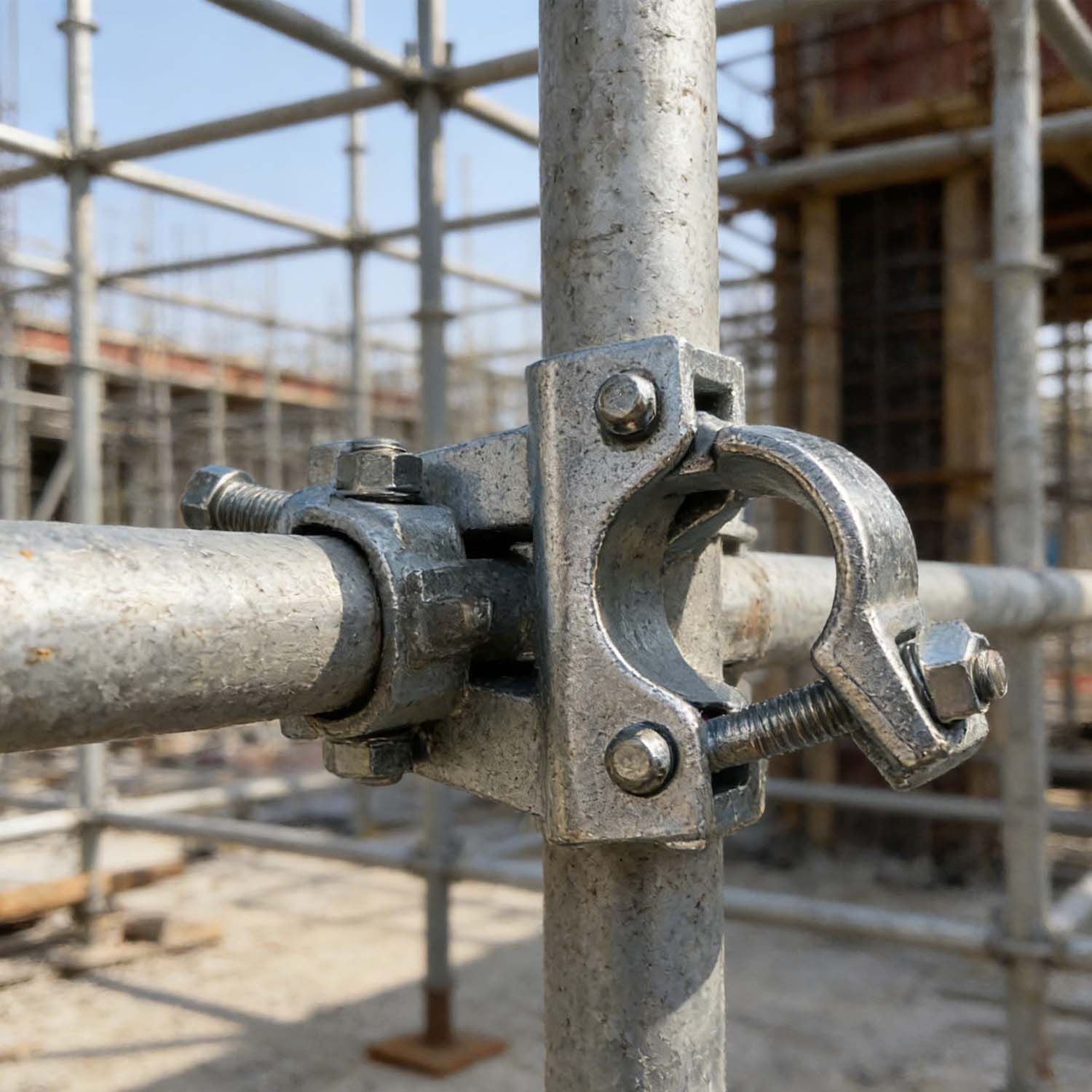
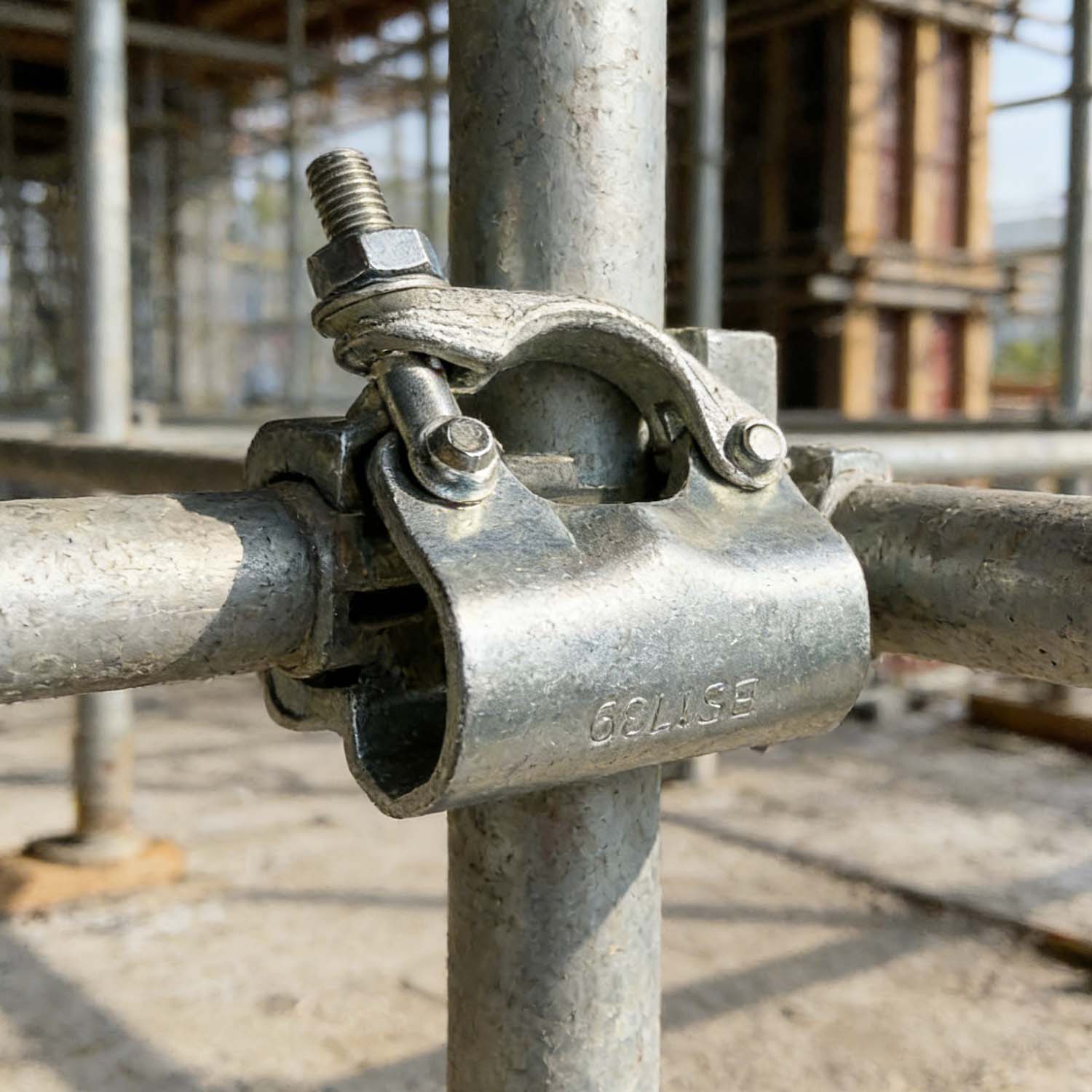
Right-angle Coupler: Used to connect mutually perpendicular scaffold tubes (e.g., the intersection of vertical standards and horizontal ledgers). As one of the core couplers for scaffold frame erection.It forms the basic framework by joining vertical standards to horizontal ledgers/transoms, providing rigid, load-bearing connections for the main structure.
Swivel Coupler: Flexibly connects scaffold tubes at any angle (e.g., the connection between diagonal braces and vertical standards/horizontal ledgers). Mainly applied in diagonal bracing and tension nodes of scaffolding to enhance overall lateral displacement resistance.It adds diagonal bracing for stability, ideal for complex structures, uneven terrain, or cross-bracing to prevent lateral movement.
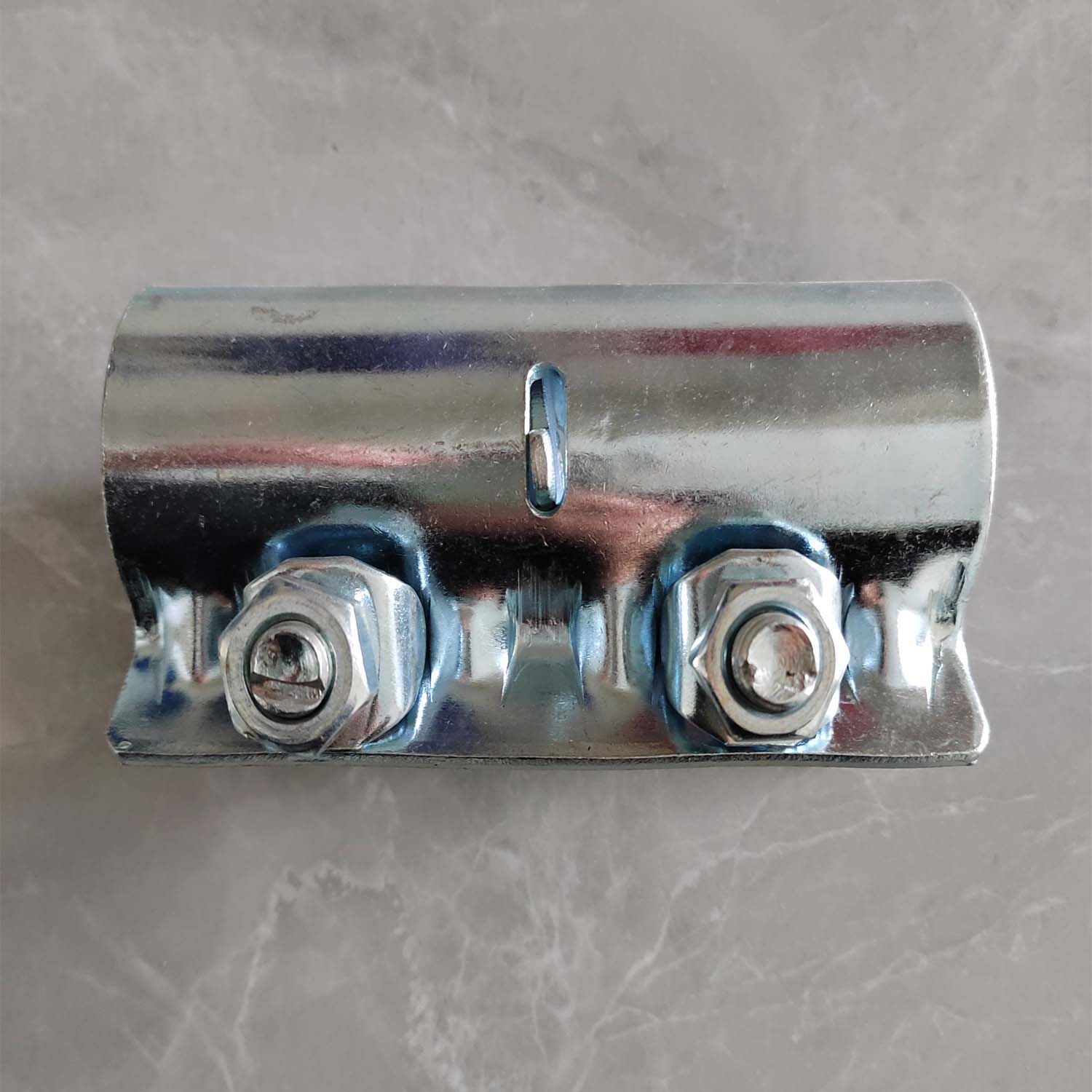
Sleeve Coupler: Designed for extending scaffold tubes in the same straight line (e.g., vertical extension of standards or horizontal extension of ledgers). It realizes the length expansion of scaffold components and ensures the force continuity of the connected section.It extends tube length horizontally (ledgers), vertically (standards).
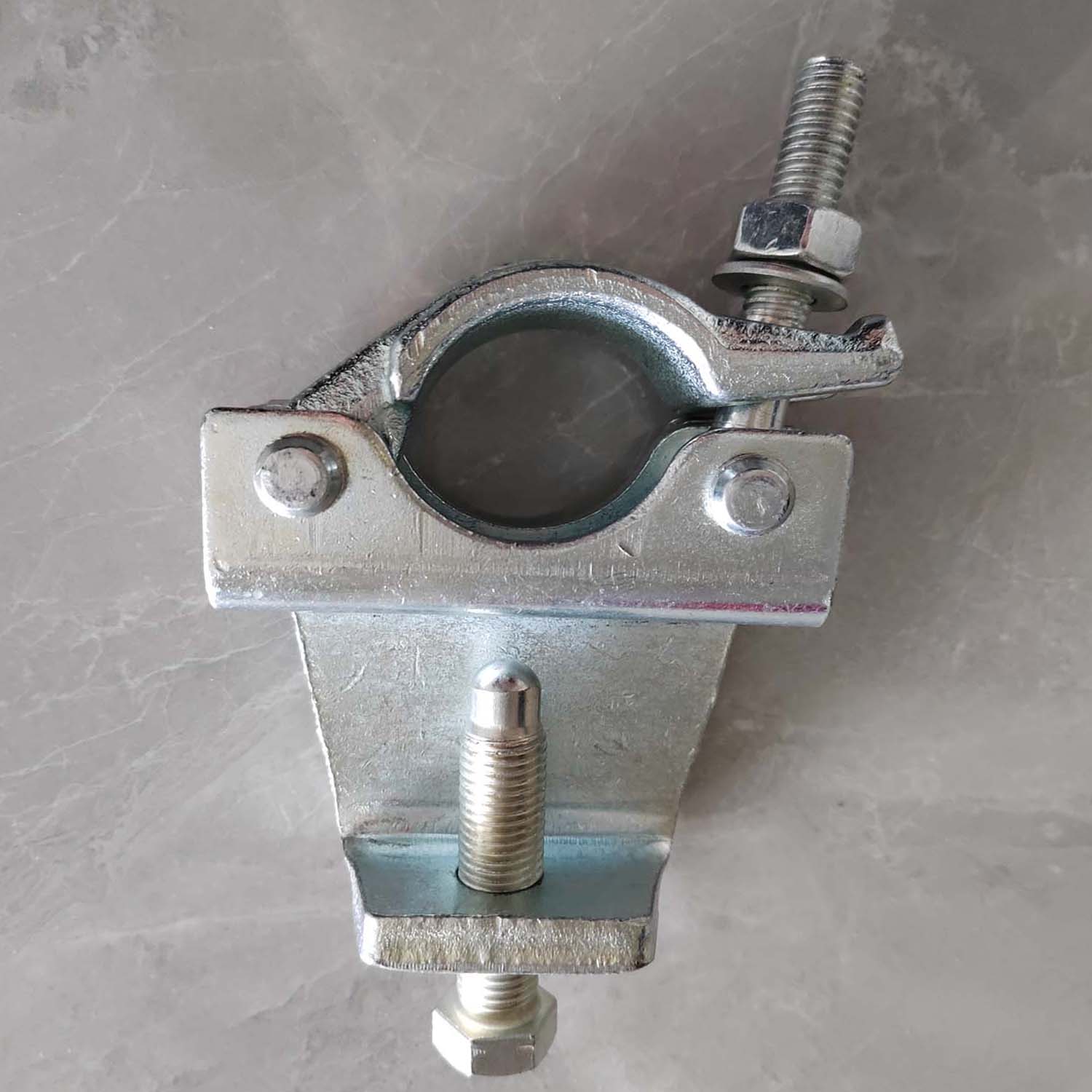
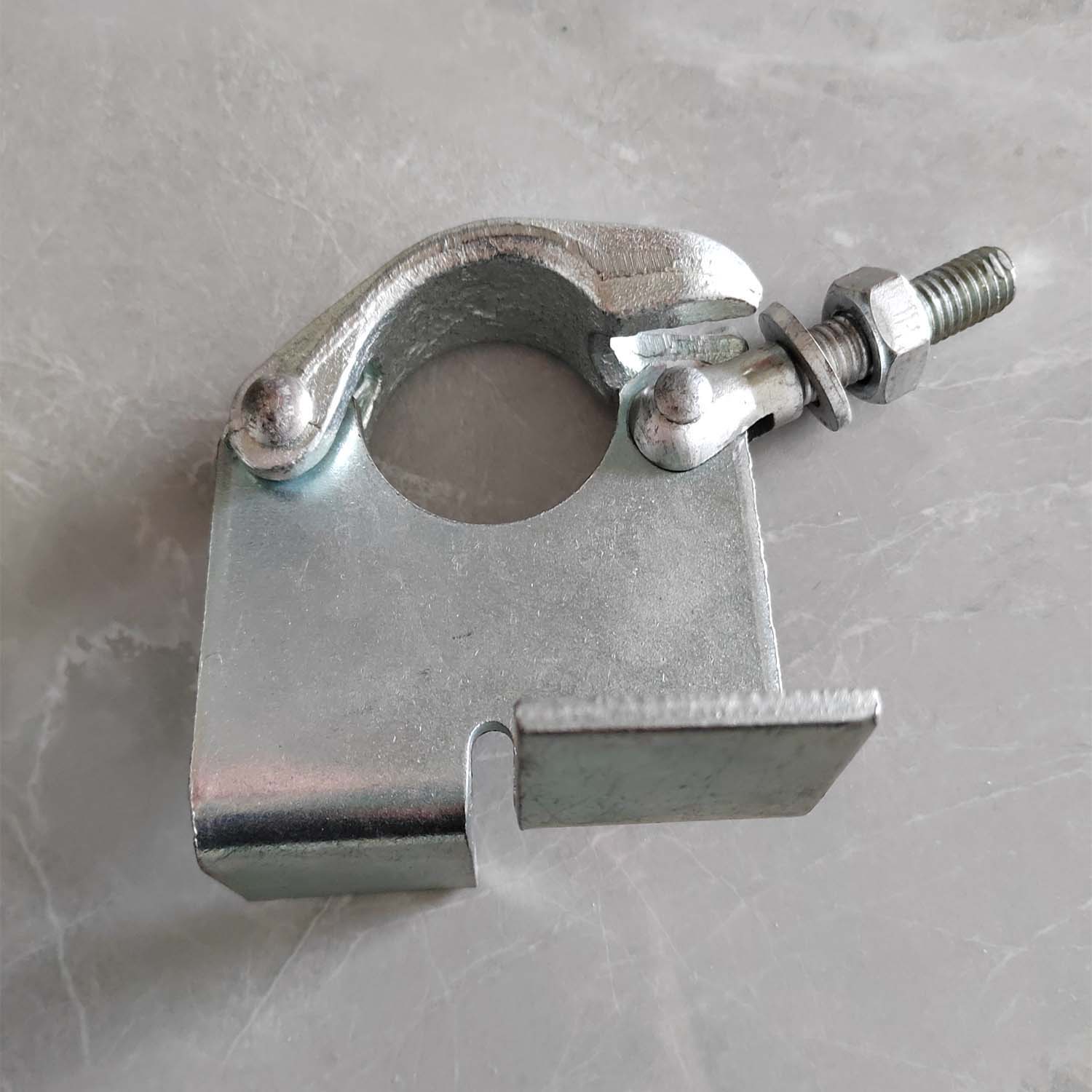
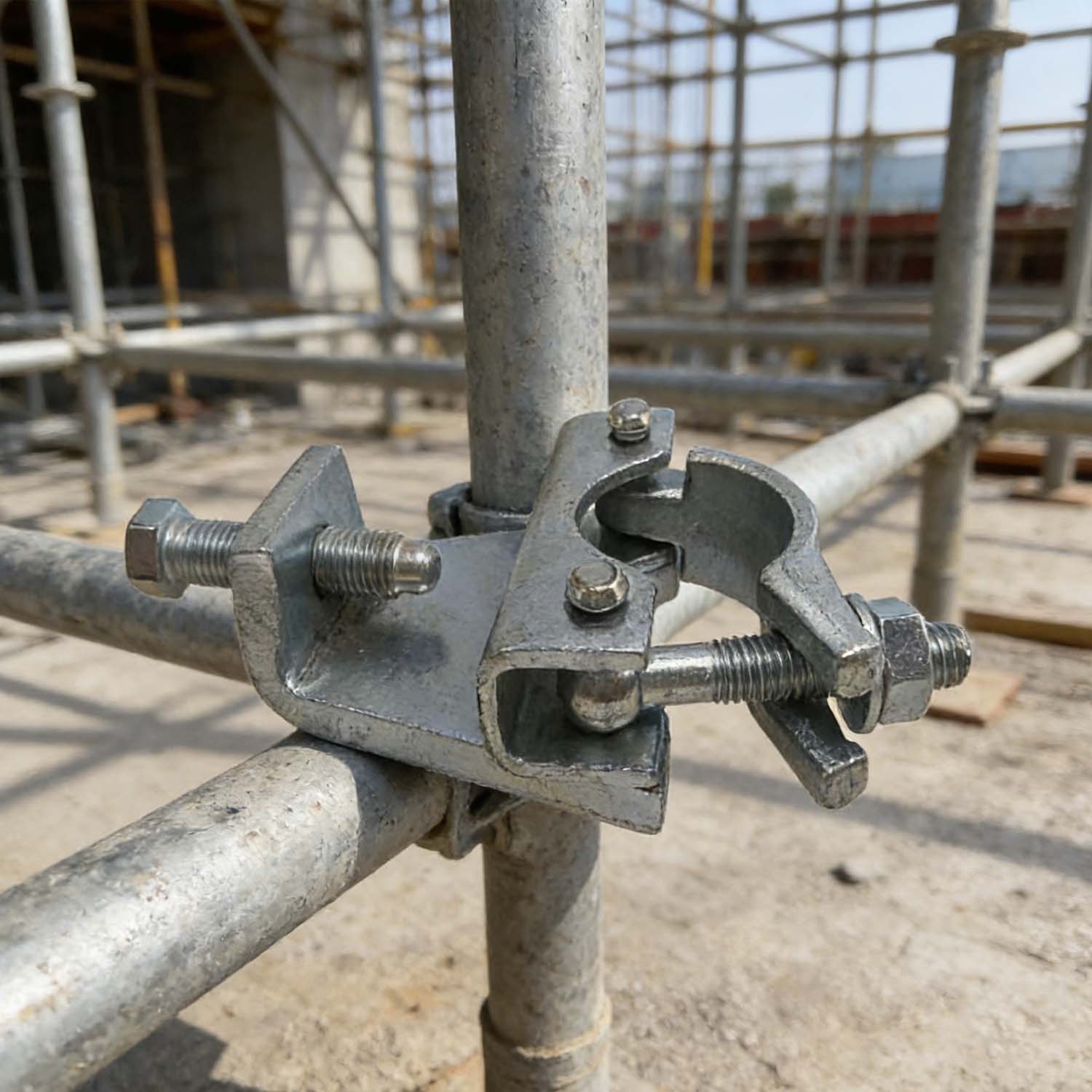
Scaffold Beam Coupler: Used for fixed connection between scaffolding and the main building beams (e.g., I-beams, channel steels). It is a key component for attaching attached or cantilevered scaffolding to the structure, improving the attachment stability of the scaffold.It anchors the scaffold to existing building structures for support or tie-in, commonly used in industrial/commercial settings .
Board Retaining Coupler: Specifically used to secure scaffold planks, preventing them from sliding or shifting during construction. It avoids the risk of falling from heights and ensures the operational safety of workers. Board Retaining Coupler (BRC, Toe Board Coupler, or Board Clamp)
Secures scaffold boards/planks or toe boards to horizontal transoms/ledgers.
These couplers are typically made from forged or pressed steel, galvanized for durability, and comply with standards like BS 1139 or EN 74. Always use the correct type for the connection to ensure safety and load capacity.
|
Right-Angle Coupler Specification
|
||
|
Standard
|
RegionKey
|
Requirements
|
|
EN 74-1/2
|
EU
|
Class A/B load ratings; 48.3mm tube compatibility; anti-slip/deformation resistance
|
|
BS 1139-2.2
|
UK
|
Material/galvanizing specs; mechanical properties; drop-forged/pressed types
|
|
GB/T 15831-2023
|
China
|
48.3mm tube fit; minimum breaking load ≥25kN; Q235 steel material
|
|
AS/NZS 1576.2
|
Australia/NZ
|
Strength testing; corrosion resistance; dimensional accuracy
|
|
JIS
|
Japan/Korea
|
48.6mm tube compatibility; 90° fixed type specifications
|
|
Swivel Coupler Specification
|
||
|
Standard
|
Region
|
Key Requirements
|
|
EN 74-1/2
|
EU
|
Class A/B load ratings; 360° swivel; 48.3mm tube compatibility
|
|
BS 1139-2.2
|
UK
|
Material/galvanizing specs; mechanical properties; torque 50–60 Nm
|
|
GB/T 15831-2023
|
China
|
48.3mm tube fit; ≥25 kN shear strength; 40–51 Nm torque
|
|
AS/NZS 1576.2
|
Australia/NZ
|
Strength testing; corrosion resistance; angle adjustability
|
|
JIS
|
Japan/Korea
|
48.6mm tube fit; 110° max swivel; pressed construction
|
|
Sleeve Coupler Specification
|
||
|
Standard
|
Region
|
Key Requirements
|
|
EN 74-1/2
|
EU
|
Class A/B load ratings; 48.3mm tube compatibility; central divider for equal insertion (≥46mm each end)
|
|
BS 1139-2.2
|
UK
|
Material/galvanizing specs; mechanical properties; minimum slip load requirements
|
|
GB/T 15831-2023
|
China
|
48.3mm tube fit; minimum breaking load ≥25kN; Q235 steel material
|
|
AS/NZS 1576.2
|
Australia/NZ
|
Strength testing; corrosion resistance; dimensional accuracy
|
|
JIS
|
Japan/Korea
|
48.6mm tube compatibility; pressed construction
|
|
Sleeve Coupler Specification
|
||
|
Standard
|
Region
|
Key Requirements
|
|
EN 74-1/2
|
EU
|
Class A/B load ratings; 48.3mm tube compatibility; central divider for equal insertion (≥46mm each end)
|
|
BS 1139-2.2
|
UK
|
Material/galvanizing specs; mechanical properties; minimum slip load requirements
|
|
GB/T 15831-2023
|
China
|
48.3mm tube fit; minimum breaking load ≥25kN; Q235 steel material
|
|
AS/NZS 1576.2
|
Australia/NZ
|
Strength testing; corrosion resistance; dimensional accuracy
|
|
JIS
|
Japan/Korea
|
48.6mm tube compatibility; pressed construction
|
|
Board Retaining Coupler Specification
|
||
|
Standard
|
Region
|
Key Requirements
|
|
EN 74-1/2
|
EU
|
Class A/B load ratings; 48.3mm tube compatibility; minimum slip load ≥10kN (X-axis)
|
|
BS 1139-2.2
|
UK
|
Material/galvanizing specs; mechanical properties; torque 50–60 Nm; must be used in pairs
|
|
GB/T 15831-2023
|
China
|
48.3mm tube fit; minimum breaking load ≥25kN; Q235 steel material
|
|
AS/NZS 1576.2
|
Australia/NZ
|
Strength testing; corrosion resistance; dimensional accuracy; paired usage required
|
|
JIS
|
Japan/Korea
|
48.6mm tube compatibility; pressed construction; minimum slip load ≥8kN
|