
CONTACT
Welcome to consult Providing quality services Tel(whats app):008618747138212 E-mail:bashiker@hotmail.com Wechat:tianshuai91
More contactsAdjustable Lifting Bracket
Detailed Description & Application of This Underpinning Pile System
Product Overview
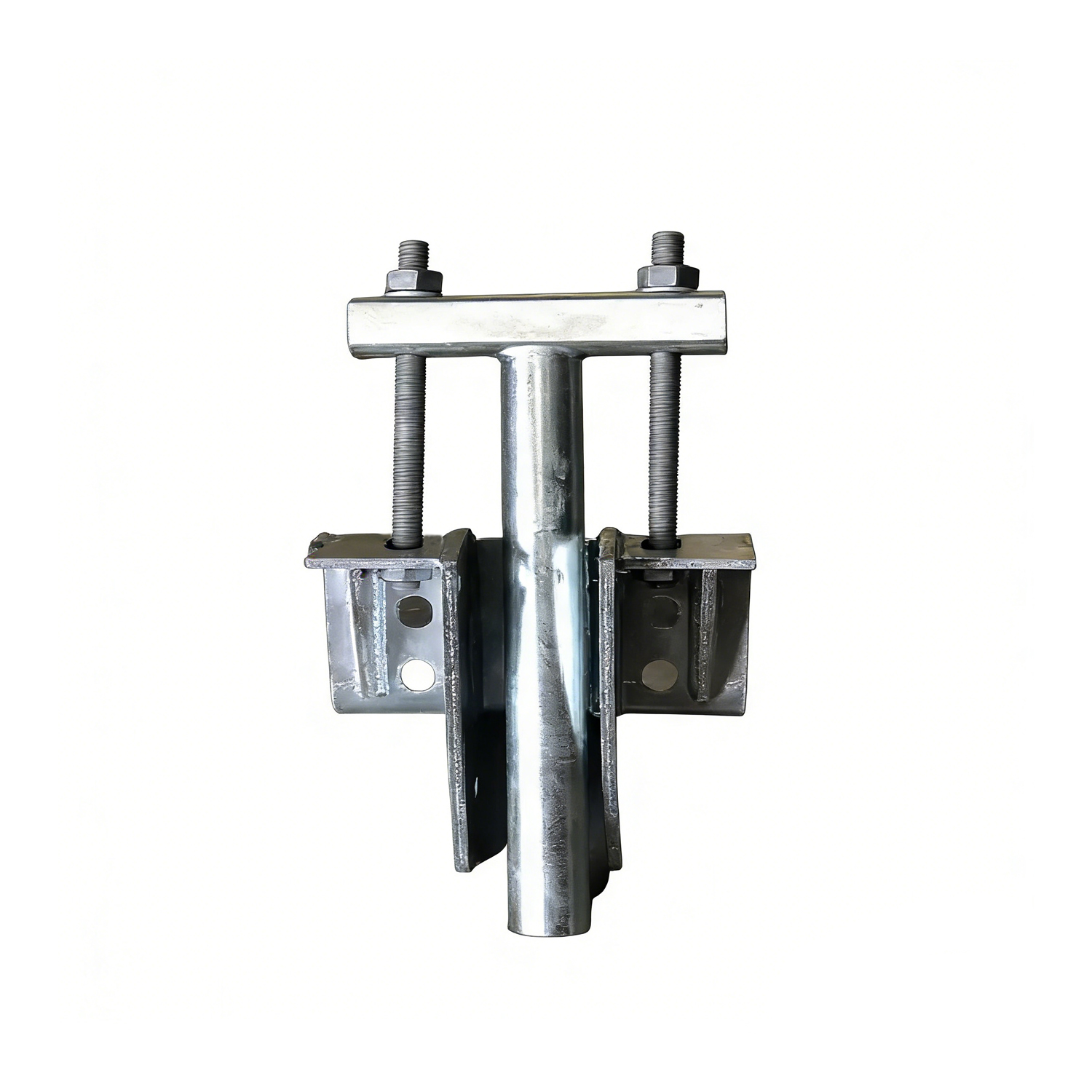
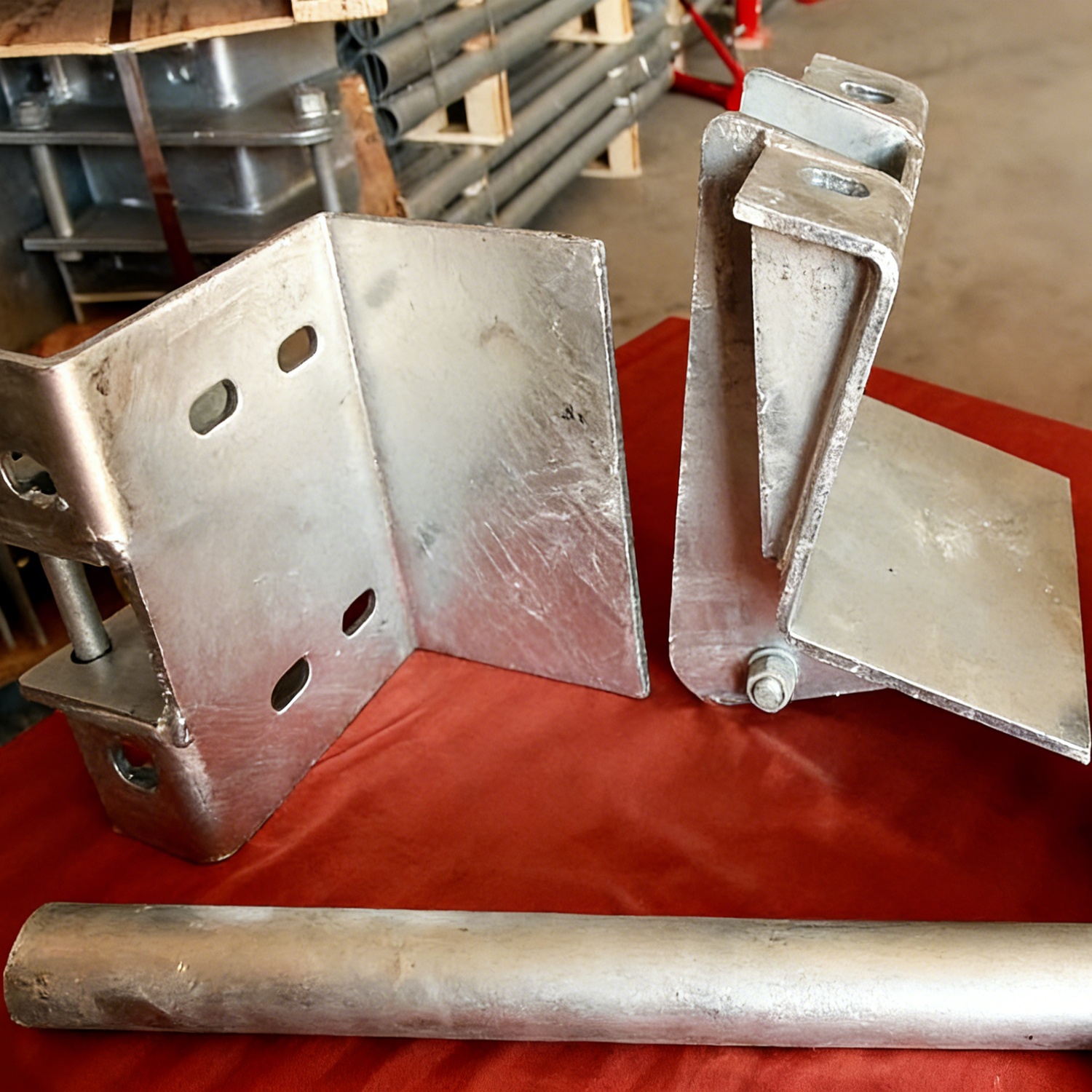
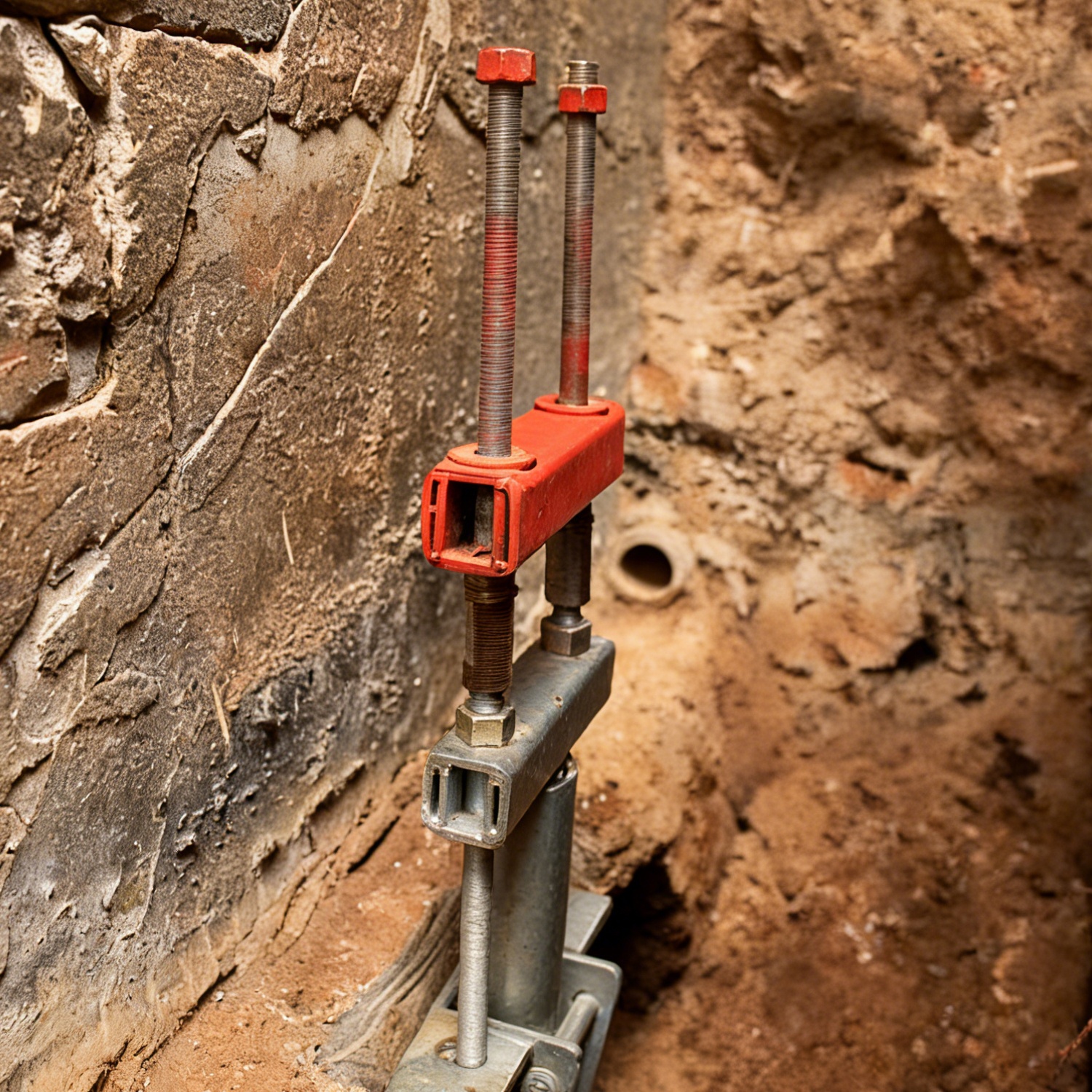
This is a steel underpinning pile assembly, specifically a type of mini underpinning pile designed for precision foundation reinforcement. It combines a telescopic steel pile body with a clamping/load-distribution frame, making it ideal for confined-space or low-clearance underpinning work.
Key Components & Structure
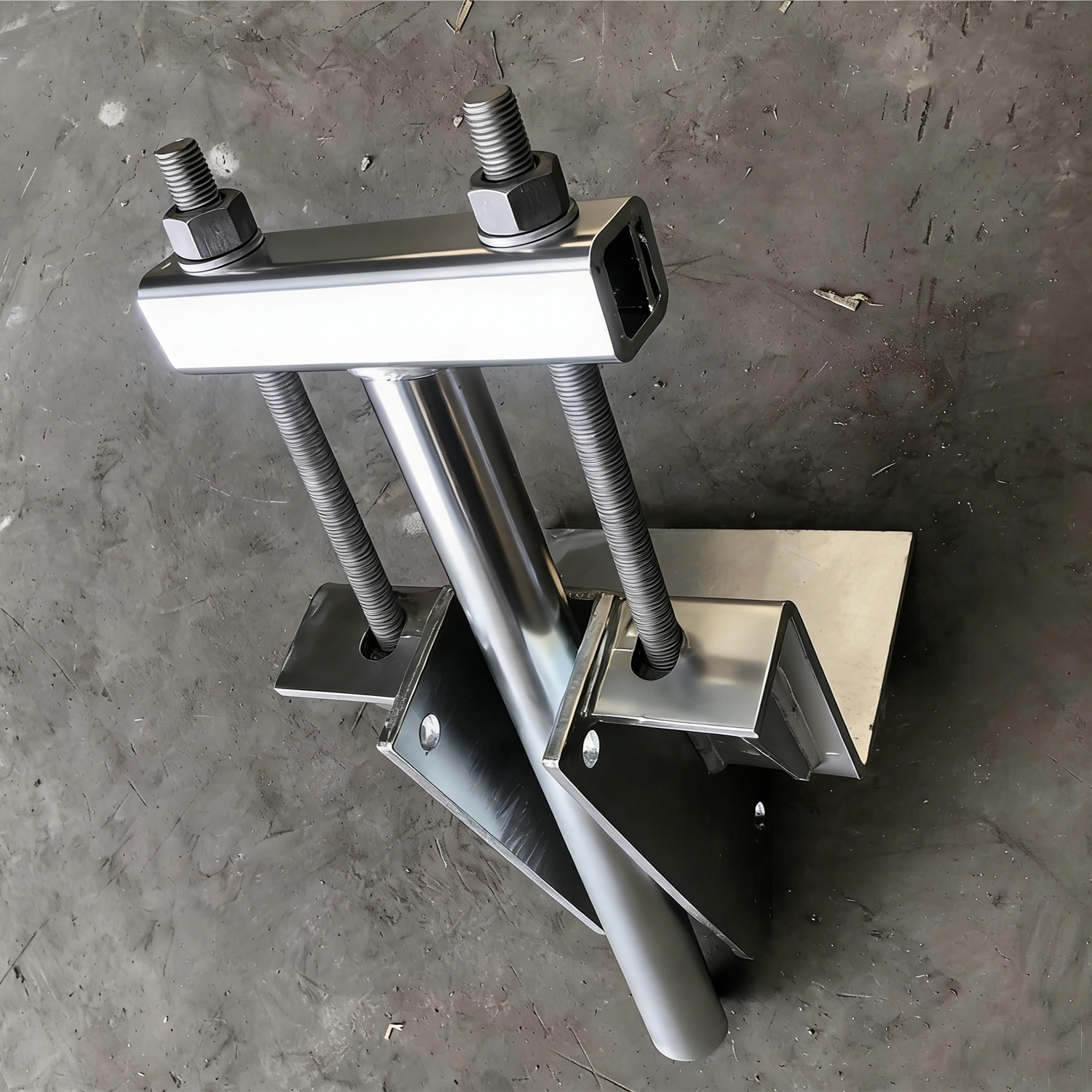
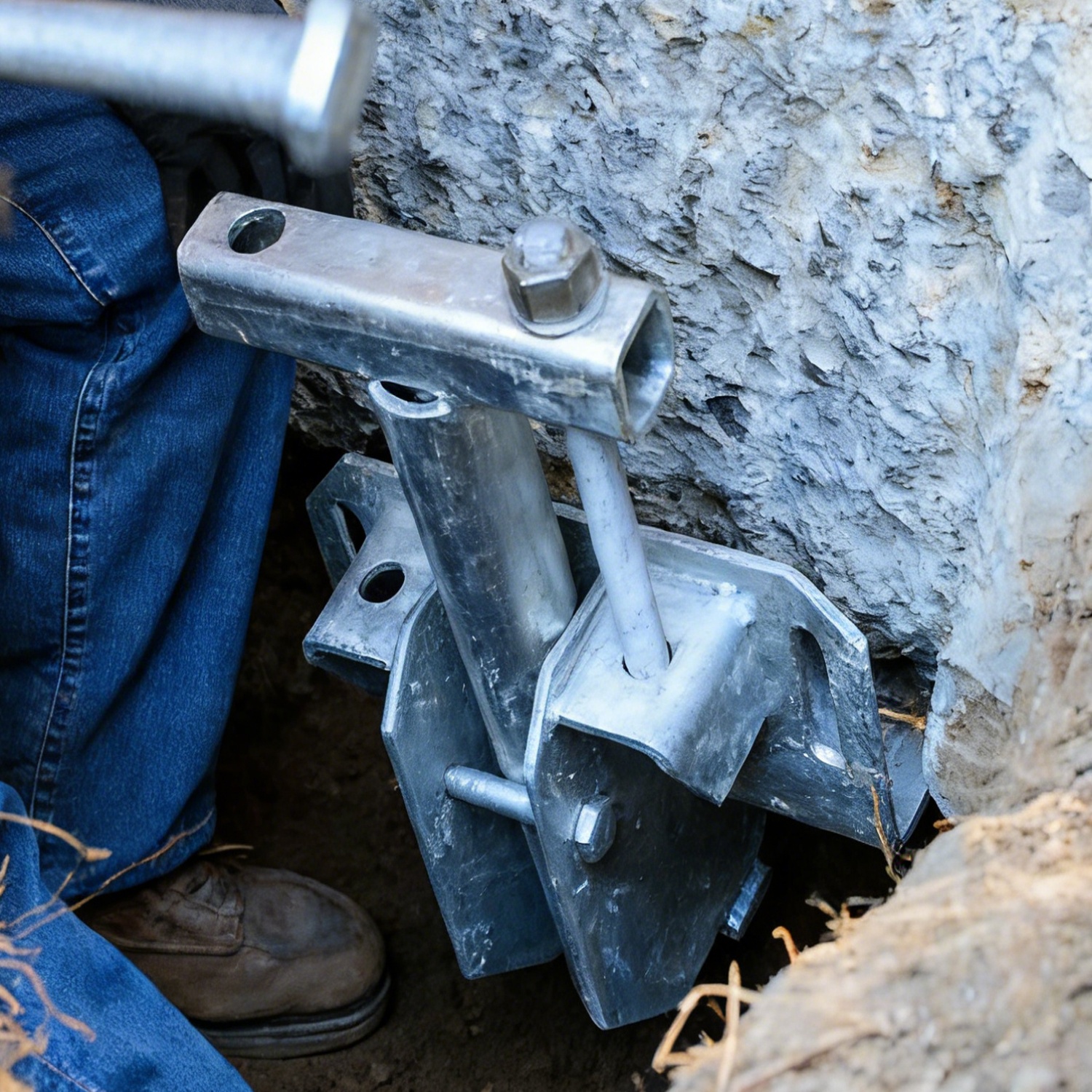
Telescopic Steel Pile. The central cylindrical steel shaft is the primary load-bearing element, which can be driven or jacked into the ground to transfer building loads to stable soil layers.
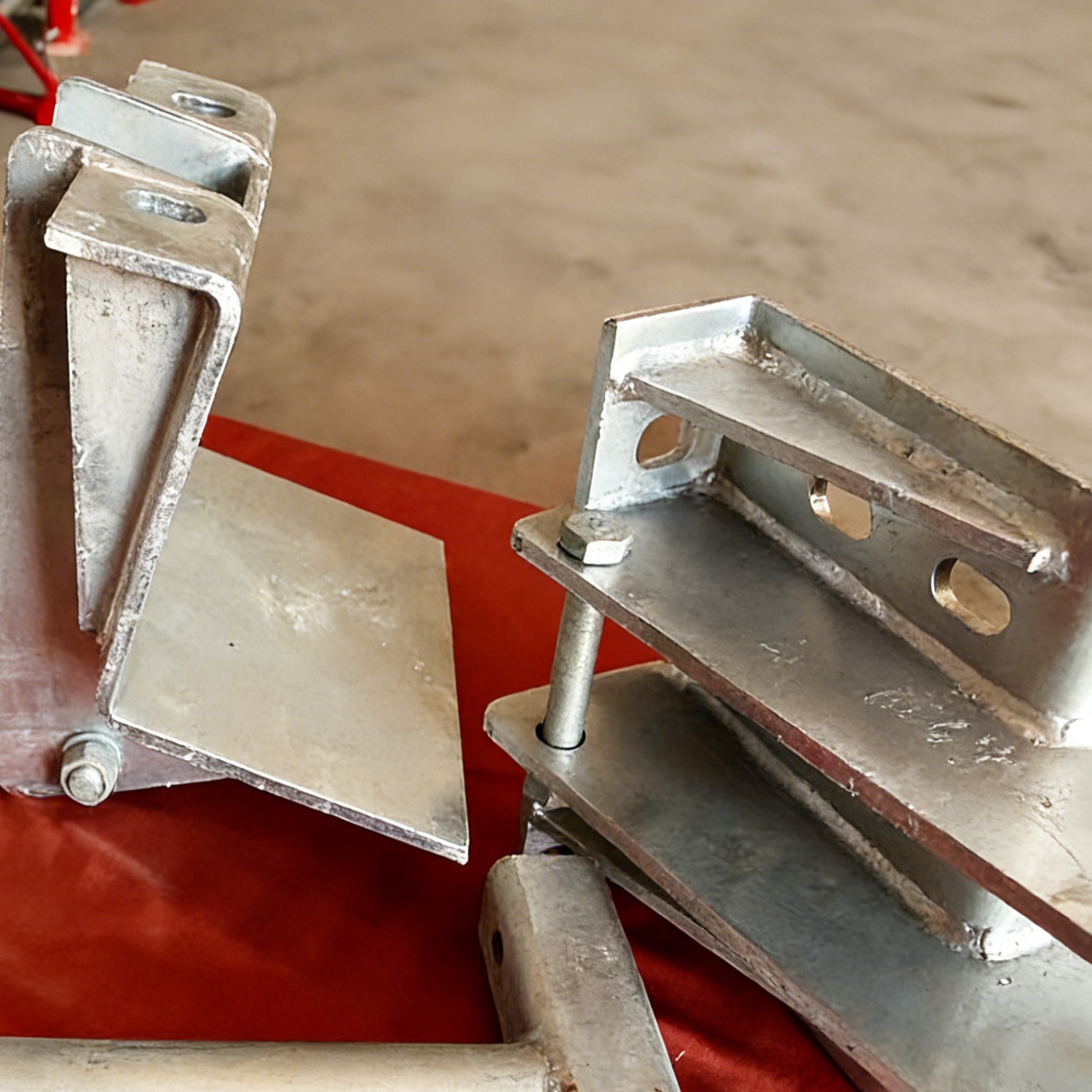
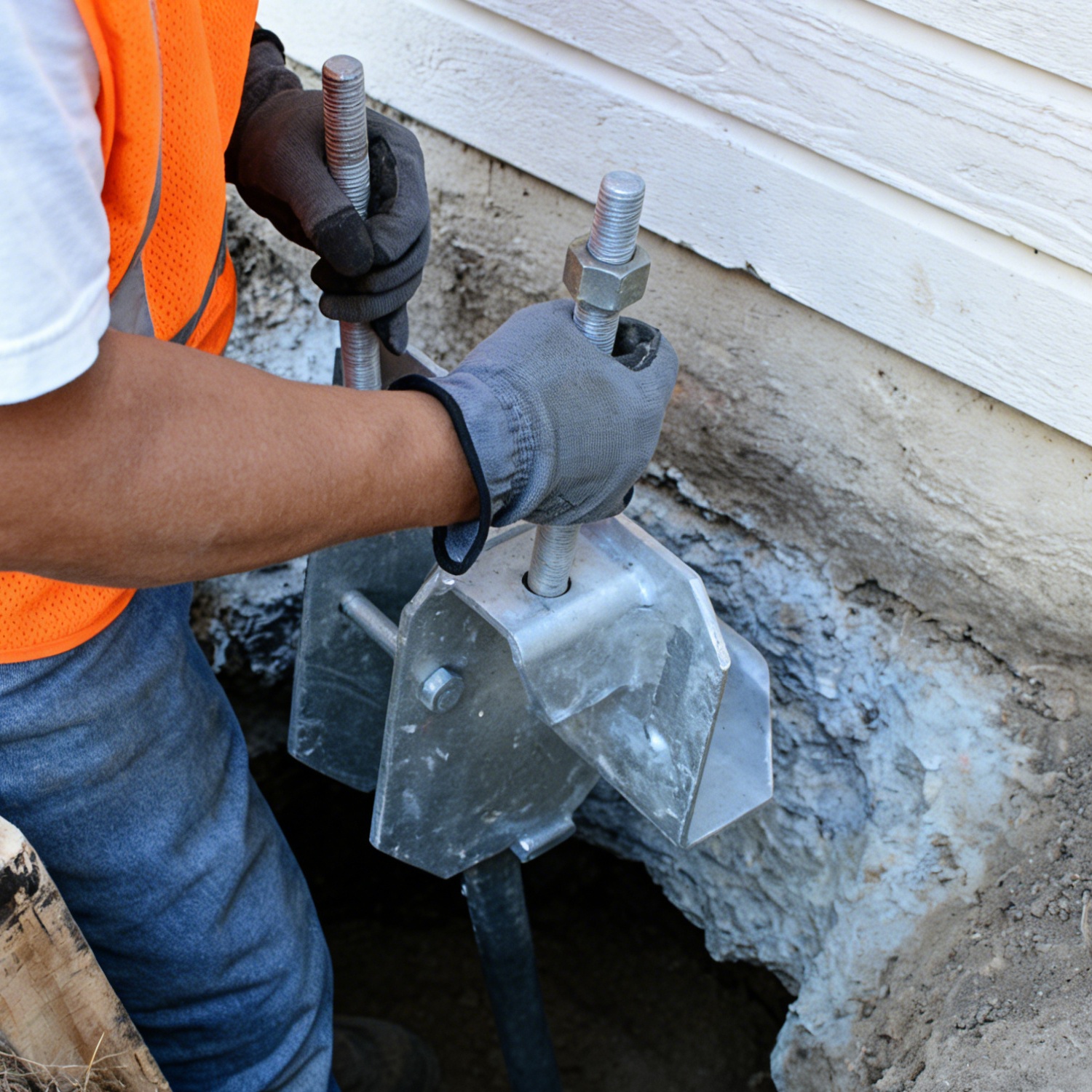
Clamping & Load Distribution Frame. The top rectangular steel beam, paired with high-strength threaded rods and locking nuts, is used to connect the pile to the existing building foundation.
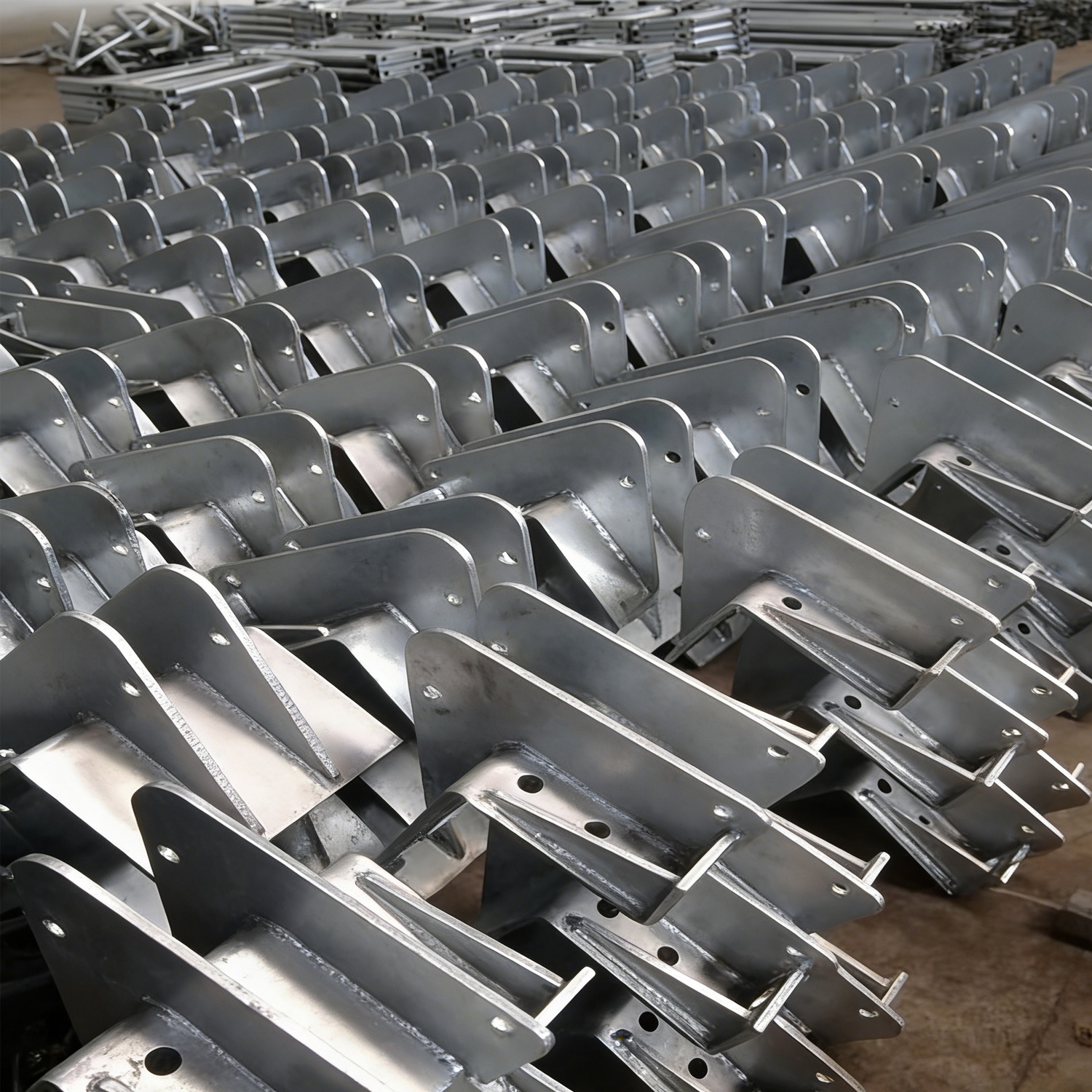
The angled steel brackets at the base ensure stable contact with the foundation slab, evenly distributing vertical loads.
High-Strength Fasteners: The threaded rods and heavy-duty nuts provide precise vertical adjustment, enabling controlled lifting or stabilization of settled foundations.
Core Functions & Advantages
Foundation Stabilization: Addresses settlement, subsidence, or structural movement in existing buildings.
Product Overview
This is a steel underpinning pile assembly, specifically a type of mini underpinning pile designed for precision foundation reinforcement. It combines a telescopic steel pile body with a clamping/load-distribution frame, making it ideal for confined-space or low-clearance underpinning work.
Key Components & Structure
Telescopic Steel Pile. The central cylindrical steel shaft is the primary load-bearing element, which can be driven or jacked into the ground to transfer building loads to stable soil layers.
Clamping & Load Distribution Frame. The top rectangular steel beam, paired with high-strength threaded rods and locking nuts, is used to connect the pile to the existing building foundation.
The angled steel brackets at the base ensure stable contact with the foundation slab, evenly distributing vertical loads.
High-Strength Fasteners: The threaded rods and heavy-duty nuts provide precise vertical adjustment, enabling controlled lifting or stabilization of settled foundations.
Core Functions & Advantages
Foundation Stabilization: Addresses settlement, subsidence, or structural movement in existing buildings.
Adjustable Load Transfer: The threaded rod system allows for micro-adjustments to lift and level foundations with millimetre precision.
Low-Clearance Operation: Its compact, modular design is suitable for working in basements, crawl spaces, or areas with limited headroom.
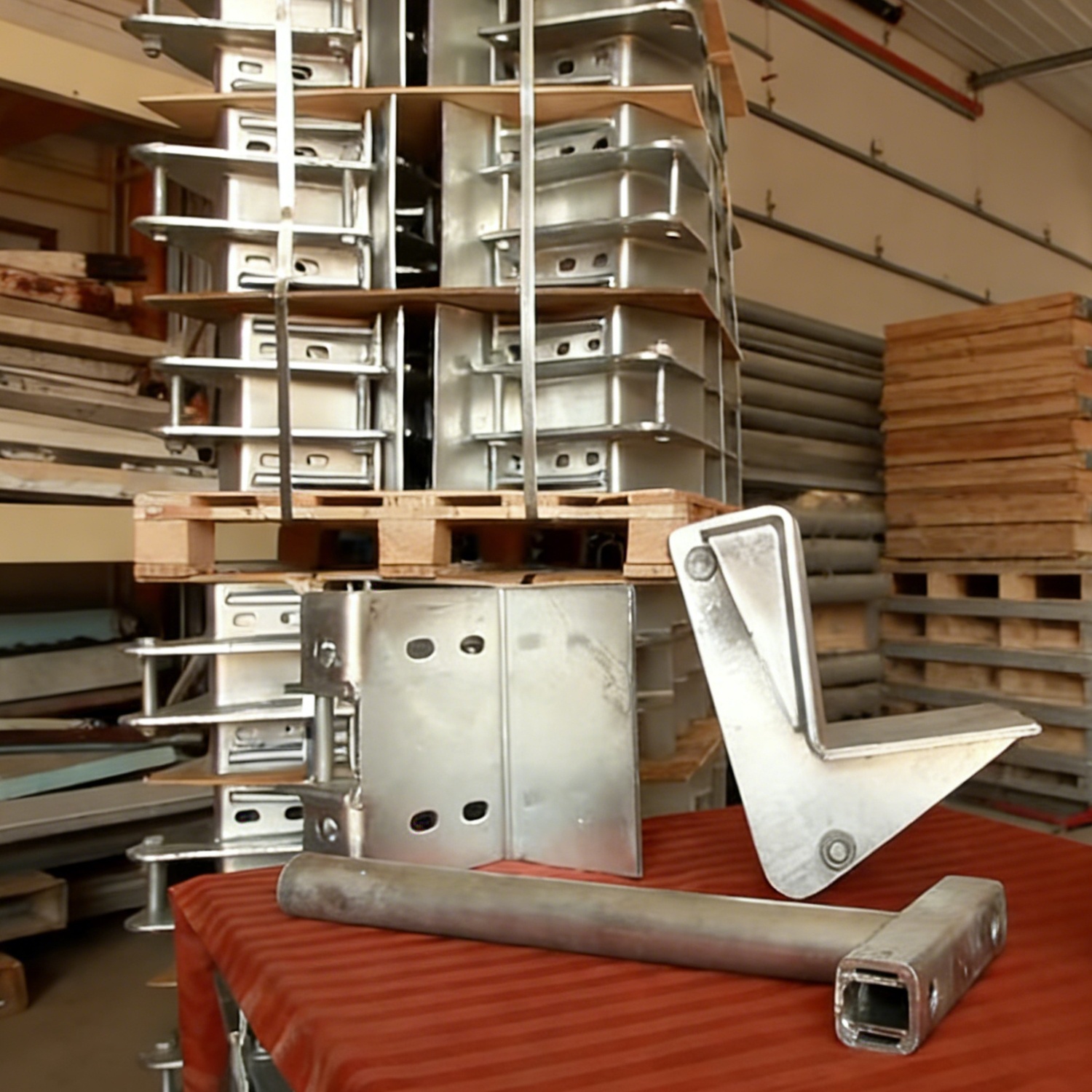
Steel Durability: The galvanized steel construction offers excellent corrosion resistance and long-term load-bearing capacity.
Typical Applications
Residential Building Underpinning: Stabilizing older homes with shallow foundations suffering from settlement due to soil consolidation or nearby construction.
Commercial Structure Reinforcement: Supporting warehouses, offices, or retail buildings where foundation movement threatens structural integrity.
Heritage Building Conservation: Providing non-invasive stabilization for historic structures to preserve their original fabric while correcting settlement.
Underpinning Near Excavations: Protecting existing buildings adjacent to new basement or underground construction projects from settlement.
Specification
|
Component Category
|
Standard Size Range
|
Material Spec
|
Key Performance Notes
|
|
Telescopic Steel Pile Shaft
|
Diameter: 76 mm (3") / 89 mm (3.5") / 114 mm (4.5")
Wall Thickness: 3–5 mm Adjustable Length: 600–1500 mm |
Hot-dip galvanized carbon steel (Q235/Q355 / ASTM A36)
|
Vertical load capacity: 5–15 tons per pile (depends on soil bearing capacity)
Telescopic design for on-site depth adjustment |
|
Top Clamping Beam
|
Section: 100×50 mm / 150×75 mm
Wall Thickness: 5–8 mm Length: 300–600 mm |
Galvanized rectangular hollow section (RHS)
|
Distributes foundation load evenly across the pile shaft
Compatible with low-clearance installation |
|
High-Strength Threaded Rods
|
Diameter: M16 / M20 / M24
Length: 400–1000 mm |
Grade 8.8/10.9 high-tensile steel (galvanized)
|
Enables micro-adjustment (±1 mm precision) for foundation lifting/leveling
Corrosion-resistant for long-term stability |
|
Base Brackets & Load Plates
|
Base Plate: 150×150 mm to 250×250 mm (8–12 mm thick)
Angle Bracket: 50×50×5 mm / 75×75×6 mm |
Hot-dip galvanized steel plate
|
Ensures stable contact with foundation slabs
Prevents localized stress damage to concrete |
|
Fasteners
|
Heavy-duty hexagonal lock nuts (M16/M20/M24)
|
Galvanized carbon steel
|
Secures clamping beam to rods for sustained load transfer
Resists loosening under vibration |
|
Engineering Standard Compliance
This system aligns with global industry standards: ASTM A36 (structural steel) BS 8004 (foundation design code) ASTM F1554 (high-strength anchor rods) |
|||
|
Precision Load Adjustment
The high-strength threaded rod system enables micro-adjustment (±1 mm precision) for controlled lifting and leveling of settled foundations, minimizing structural disturbance. |
|||
|
Vertical Load Capacity
Each pile supports a vertical load of 5–15 tons, with actual capacity dependent on soil bearing capacity. This range suits both residential and light commercial stabilization needs. |
|||
|
Telescopic Adaptability
The telescopic pile shaft allows on-site adjustment of penetration depth (600–1500 mm), ensuring it reaches stable soil layers even with varying ground conditions. |
|||
|
Low-Clearance Operation
The compact, modular design functions efficiently in confined spaces like basements or crawl spaces, with headroom requirements as low as 300 mm. |
|||
|
Corrosion Resistance
Hot-dip galvanized steel construction provides long-term protection against soil moisture and corrosion, extending the system's service life to 50+ years. |
|||
|
Even Load Distribution
The base load plates and angle brackets spread vertical forces evenly across the foundation slab, preventing localized stress damage to concrete. |
|||
|
Non-Installation Disruption
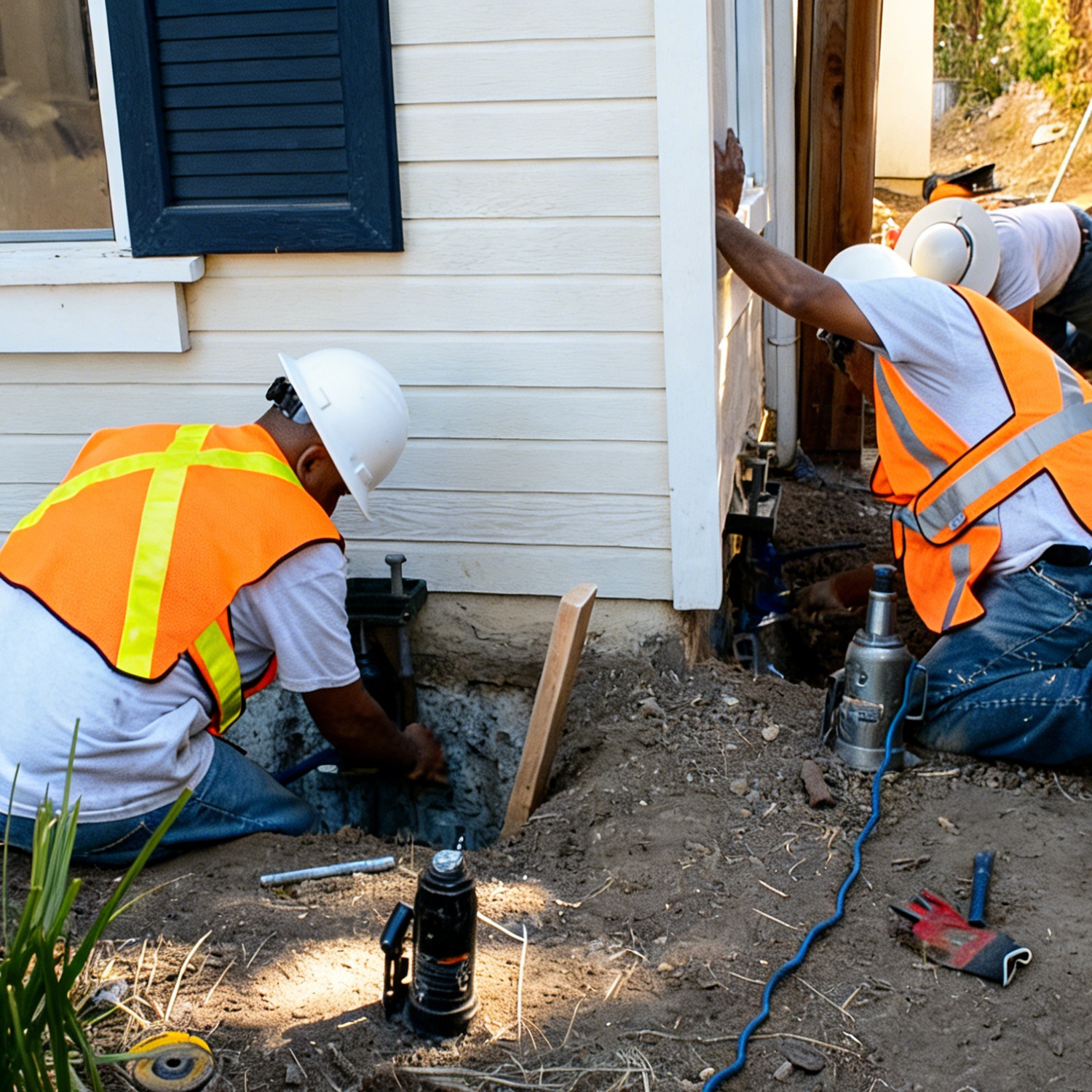
The push-pier installation method avoids extensive excavation, reducing disruption to the building and its occupants during stabilization work. |
|||
|
Compliance with Global Standards
|